
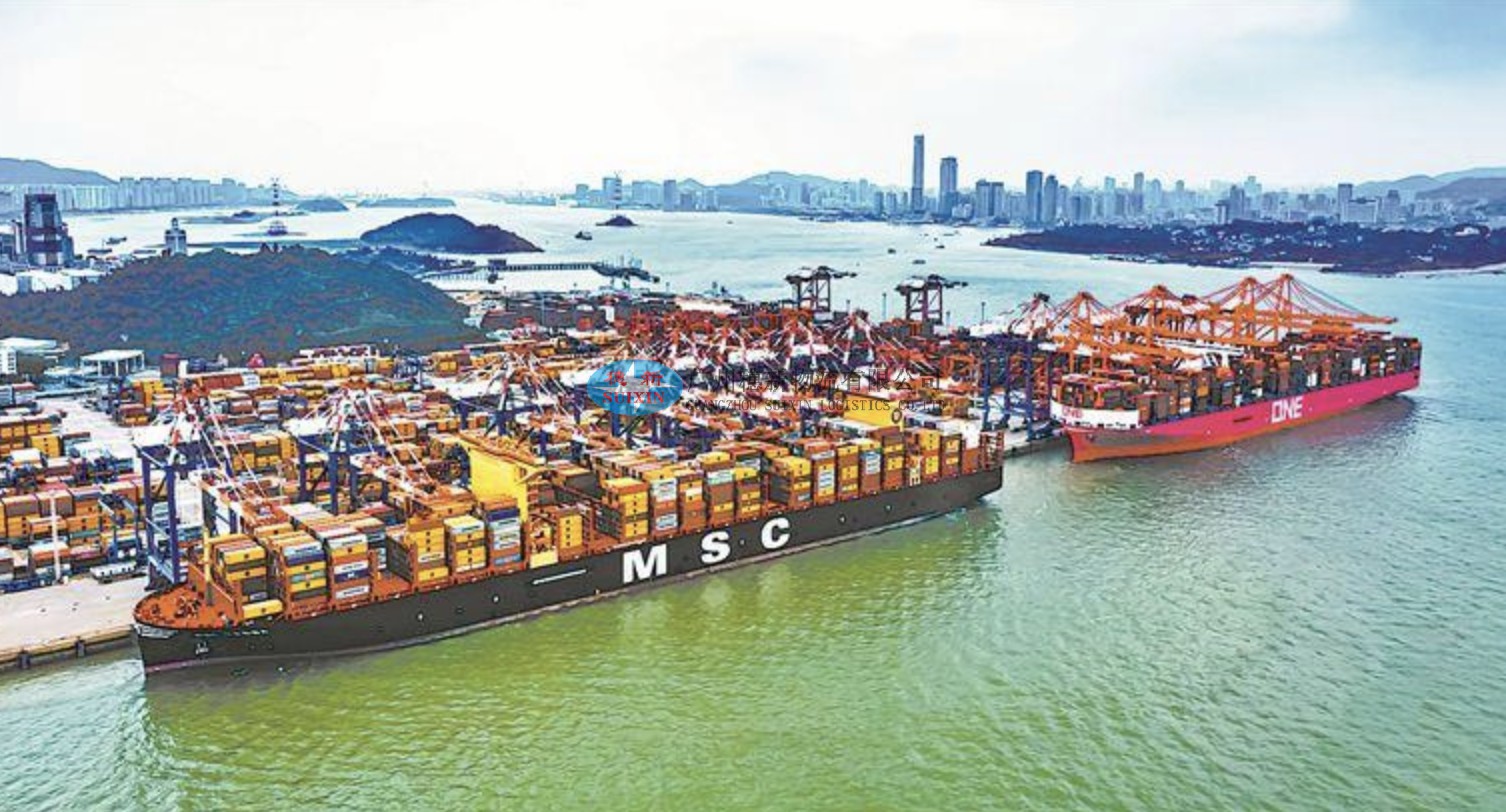
For overseas wine exporters, especially Japanese ones who are key global wine suppliers, efficient market entry into China hinges on mastering China’s regulatory framework and leveraging the specialized services of Guangzhou Huangpu Port tailored for wine shipments. As a high-quality and increasingly popular wine type, Honjozo Wine demands careful attention to China’s strict import rules, from labeling standards to documentation, to ensure a seamless clearance process at the port.
Challenges in Exporting Honjozo Wine to China
Even with decades of export experience, Japanese exporters sometimes encounter unexpected delays when shipping Honjozo Wine to China. For example, a leading Japanese wine exporter once faced clearance issues at Guangzhou Huangpu Port due to a non-compliant Chinese label lacking the mandatory “no drinking and driving” warning, resulting in significant port detention and missed client delivery deadlines. This case highlights the critical need for Japanese exporters to align their documentation and labeling with China’s specific regulations before shipment.
Guangzhou Huangpu Port’s Support for Japanese Wine Exporters
Guangzhou Huangpu Port addresses these challenges with a suite of dedicated support for Japanese wine exporters: the “Wine Export Green Lane” prioritizes pre-packaged wine shipments, one-stop document pre-audit services catch labeling and certification gaps in advance, and a dedicated customs liaison team has expertise in Japanese wine export practices. The Wine Export Green Lane, for instance, ensures Honjozo Wine is prioritized for unloading and inspection, significantly reducing overall clearance time compared to standard cargo. One-stop pre-audit checks verify label compliance, certificate authenticity, and Chinese labeling accuracy, while the dedicated liaison team provides real-time updates and resolves urgent issues like last-minute label revisions.
Document Preparation: China-Compliant Paperwork for Japanese Wine Exporters
To export Honjozo Wine, a type of alcoholic beverage, from Japan to China via Guangzhou Huangpu Port, Japanese exporters must prepare a complete set of China-compliant documents that meet both international standards and China’s specific regulatory requirements. These documents are not only proof of compliance but also the foundation for customs approval, making careful preparation crucial for exporters targeting the Chinese market.
- The Certificate of Origin (COO) is a foundational document issued by Japanese government authorities like the Ministry of Economy, Trade and Industry (METI) or local chambers of commerce. For Japanese exporters, the COO must be issued in both Japanese and English, clearly indicating the wine’s origin (e.g., “Product of Japan”) and product details such as vintage and grape variety. This document is vital for proving the wine’s origin, which affects eligibility for preferential tariffs under China’s free trade agreements with Japan, such as the China-Japan-Korea Free Trade Agreement (CJKFTA). Without a valid, properly formatted COO, customs may delay clearance or apply higher tariffs.
- The Official Sanitary Certificate is mandatory for all imported alcoholic beverages into China, issued by Japan’s national food safety authority like the Ministry of Health, Labour and Welfare. The certificate must include details such as the wine’s production date, batch number, and testing results for key safety indicators like alcohol content, pesticide residues, and heavy metals. For Japanese exporters, ensuring the certificate is issued within the appropriate regulatory timeframe is non-negotiable, as China’s General Administration of Customs (GAC) strictly verifies its timeliness and accuracy to prevent counterfeit or substandard products.
- The Chinese Label Compliance Verification Document, aligned with China’s food labeling standards, is a specialized requirement. It must include the wine’s name, origin, grape variety, alcohol content, vintage, net weight, manufacturer details, and the mandatory “no drinking and driving” warning in clear, prominent Chinese characters. This document must be issued by a third-party Chinese or international lab certified by China’s relevant food safety authority to validate label accuracy. Without this document, Honjozo Wine will be rejected at the port due to non-compliant labeling, leading to costly delays or returns.
- The Food Business License (FBL) for Chinese importers is a critical requirement. Japanese exporters must verify that their Chinese partners hold an FBL with explicit coverage for “import/sale of pre-packaged food, including wine”. This document is submitted during customs clearance to prove the importer has the legal authority to distribute the wine in China. Without a valid FBL, customs may refuse to release the shipment even if all other documents are in order.
China Market Access Solutions: Tailored Support for Japanese Wine Exporters
Beyond preparing compliant documents, Japanese wine exporters need specialized support to navigate Guangzhou Huangpu Port’s clearance process and China’s evolving wine import regulations. Our end-to-end solutions address these key pain points and help exporters achieve consistent, efficient market entry.
- Source-specific document audit is a free service covering reviews of COO, Official Sanitary Certificate, Chinese Label Compliance Verification Document, and FBL. Our team checks for document authenticity, translation accuracy, and alignment with China’s latest wine import rules. For example, we helped a Japanese exporter correct an outdated translation of “Honjozo” to the standard Chinese “本酿造” in the COO to ensure customs acceptance. This proactive step eliminates last-minute discrepancies that cause delays.
- Label revision consultation leverages partnerships with Chinese label design experts to assist in creating compliant Chinese labels for Honjozo Wine. Our team reviews draft labels for compliance with China’s food labeling standards, including the placement and font size of the “no drinking and driving” warning, and suggests adjustments if needed. This service ensures labels are error-free and avoids costly re-labeling at the port.
- Port Green Lane activation leverages direct relationships with Guangzhou Huangpu Port authorities to activate the Wine Export Green Lane for Japanese exporters. We arrange pre-shipment document reviews, coordinate priority cargo handling, and assign a dedicated port contact to resolve issues like label revisions or customs inquiries. For example, we coordinated with customs to issue a temporary clearance document when a Sanitary Certificate was delayed, ensuring the shipment arrived on time for a key client event.
Conclusion: Your Partner for Efficient China Market Entry
For Japanese wine exporters targeting China, efficient market entry relies on two core pillars: source-specific, China-compliant documentation and strategic use of Guangzhou Huangpu Port’s dedicated services. The Chinese wine market is growing rapidly, and with the right preparation and support, Honjozo Wine, with its unique Japanese craftsmanship, can capture significant market share, provided exporters avoid common pitfalls like non-compliant labels or delayed paperwork.
As a trusted partner for Japanese wine exporters, we specialize in supporting your journey to China by combining deep expertise in China’s wine import regulations with hands-on port coordination. From document audit and label revision to Green Lane activation and regulatory updates, we handle the complexity so you can focus on building relationships with Chinese importers and growing your business.
Ready to export your Honjozo Wine to China from Japan via Guangzhou Huangpu Port? Contact our team today for a free, source-specific document checklist and a personalized consultation to address your unique labeling and certification needs. Let us help you achieve seamless, efficient market entry into China.
Disclaimer: This article is for general information only. Specific China regulatory requirements for imported wine may vary by product type, vintage, and importer qualifications. Japanese wine exporters should consult our professional team for personalized guidance based on their actual shipment requirements.
 One-to-One Service
 Fast Turnaround Cycle
 Two Decades of Import & Export Experience
 Numerous Successful Cases
 Online Consultation