
For Korean exporters of soy protein powder, a leading global provider of health supplements, successful market entry into China hinges on mastering China’s regulatory landscape and leveraging the specialized services of Guangzhou Nansha Port for health food shipments. As a pivotal gateway for health supplements, Nansha Port offers distinct advantages that simplify cross-border trade, from streamlined document checks to dedicated customs support.
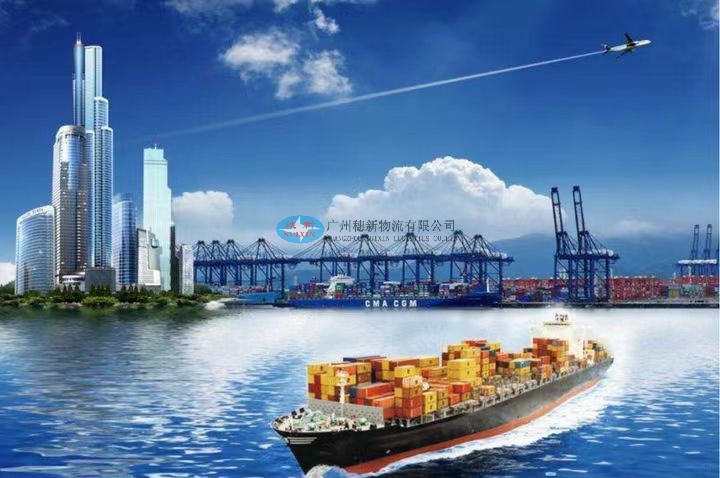
Unveiling Challenges in Guangzhou Nansha Port for Soy Protein Exports
A Korean soy protein powder exporter once encountered needless clearance holdups at Nansha Port due to incomplete safety assessment reports and unregistered Chinese labels. This oversight not only prolonged the cargo’s stay at the port but also risked missing a critical client deadline, underscoring how even minor document gaps can disrupt market entry. For first-time exporters, such delays can tarnish reputations and impede business growth, making preemptive compliance paramount.
Guangzhou Nansha Port addresses these challenges with three specialized services for health food shipments: a one-stop document pre-audit service (verifying label registration, safety report validity, and origin certificate compliance), a health food green channel (prioritizing shipments with complete documentation), and a dedicated customs liaison program (assigning a single point of contact for urgent queries). These services help exporters avoid common pitfalls like misfiled paperwork or unclear labeling, enabling faster movement from port to market.
Exporting soy protein powder from Korea to China via Guangzhou Nansha Port requires more than quality products; it demands alignment with China’s stringent health supplement regulations and proactive utilization of port resources. By combining Nansha Port’s dedicated services with a clear understanding of document requirements, Korean exporters can establish a robust presence in China’s competitive health supplements market.
Document Preparation: China-Compliant Paperwork for Korean Soy Protein Powder Exporters
To ensure seamless export of soy protein powder—classified as a health supplements subclass—to China, Korean exporters must prepare and submit the following China-compliant documents, each crucial for customs clearance at Guangzhou Nansha Port. These documents not only verify product safety and compliance but also demonstrate adherence to China’s regulatory standards.
- Import Health Food Record: This mandatory document, issued by China’s General Administration of Market Supervision, confirms the soy protein powder’s eligibility for import. Korean exporters must submit the record application a reasonable period before shipment, with both Korean and Chinese versions notarized by local authorities. Without this record, customs will reject the shipment, as it verifies the product meets China’s health food criteria.
- Health Certificate: Issued by Korean government-approved laboratories, this certificate confirms the product’s safety, nutritional content, and compliance with China’s food safety requirements (corresponding to local national and industry safety standards). Korean exporters must provide a notarized Chinese translation, as customs relies on this document to verify quality before clearance.
- Chinese Label Record: Required by China’s labeling regulations (corresponding to local national and industry labeling norms), this document confirms the soy protein powder’s label aligns with China’s standards, including clear displays of ingredients, net weight, production date, and storage instructions in Chinese. Korean exporters must submit the label design for pre-approval by local authorities, with no misleading claims about health benefits (e.g., “disease-curing” statements).
- Safety Assessment Report: Issued by a China-recognized third-party testing agency, this report verifies the product’s safety, heavy metal content, and nutritional composition. Korean exporters must ensure the report is bilingual (Korean-Chinese) and test results align with China’s health supplement standards. Without this report, customs will delay clearance to confirm product safety.
- Certificate of Origin: Issued by the Korean Chamber of Commerce, this document confirms the product’s origin, which may qualify the shipment for preferential tariffs under the China-Korea Free Trade Agreement (CKFTA). Korean exporters must have the certificate authenticated by the Chinese Embassy in Korea to ensure customs recognition.
For Korean soy protein powder exporters, the Health Certificate and Import Health Food Record are foundational—these documents ensure the product meets China’s strict safety and labeling requirements, averting delays caused by incomplete paperwork.
China Market Access Solutions: Tailored Support for Soy Protein Powder Exporters
Beyond preparing compliant documents, Korean soy protein powder exporters need specialized support to navigate Guangzhou Nansha Port’s clearance process and China’s evolving health supplement regulations. Our end-to-end solutions address these core challenges, ensuring a seamless entry into China’s health supplements market.
- Soy Protein Pre-Audit Service: Our team conducts a thorough review of your documents, including the Import Health Food Record, Health Certificate, Chinese Label Record, Safety Assessment Report, and Certificate of Origin. We check for completeness, translation accuracy, and alignment with China’s latest health food policies, providing a detailed feedback report within a reasonable timeframe. This proactive step eliminates last-minute discrepancies that cause port delays.
- Health Food Green Lane: Leveraging our direct relationships with Guangzhou customs, we activate a priority clearance channel for soy protein powder shipments with complete documentation. This means your cargo is prioritized for inspection and release, significantly reducing clearance time. A dedicated customs liaison will coordinate with you throughout the process, addressing urgent issues like label corrections or document questions in real time.
- Regulatory Updates: We provide tailored alerts on changes to China’s health supplement regulations, such as updates to labeling rules, safety standards, or import procedures. Alerts are delivered via email or our client portal, ensuring you stay ahead of regulatory shifts and avoid compliance gaps. For example, if China revises corresponding national and industry labeling norms, we’ll notify you immediately and adjust your documentation accordingly.
Conclusion: Your Partner for Efficient China Market Entry
For Korean soy protein powder exporters targeting China, efficient market entry relies on two key pillars: mastering China’s health supplement regulations and leveraging Guangzhou Nansha Port’s specialized services. By combining document expertise with port coordination, we simplify the complexity of cross-border trade, allowing you to focus on growing your business.
Our solutions minimize document-related delays, streamline Nansha Port clearance, and deliver a high first-pass clearance success rate for health supplements. From pre-shipment document audits to regulatory updates and port coordination, we handle the details so you can concentrate on customer relationships and expansion.
Ready to export your soy protein powder to China from Korea via Guangzhou Nansha Port? Contact our team today for a free, source-specific document checklist and a personalized consultation to ensure your shipment meets China’s strict health supplement standards. Let us help you achieve seamless, efficient market entry into China.
Disclaimer: This article is for general information only. Specific China regulatory requirements for health supplements may vary by product formulation, labeling details, and export batch. Korean soy protein powder exporters should consult our professional team for personalized guidance based on their actual product and shipment details.
 One-to-One Service
 Fast Turnaround Cycle
 Two Decades of Import & Export Experience
 Numerous Successful Cases
 Online Consultation